
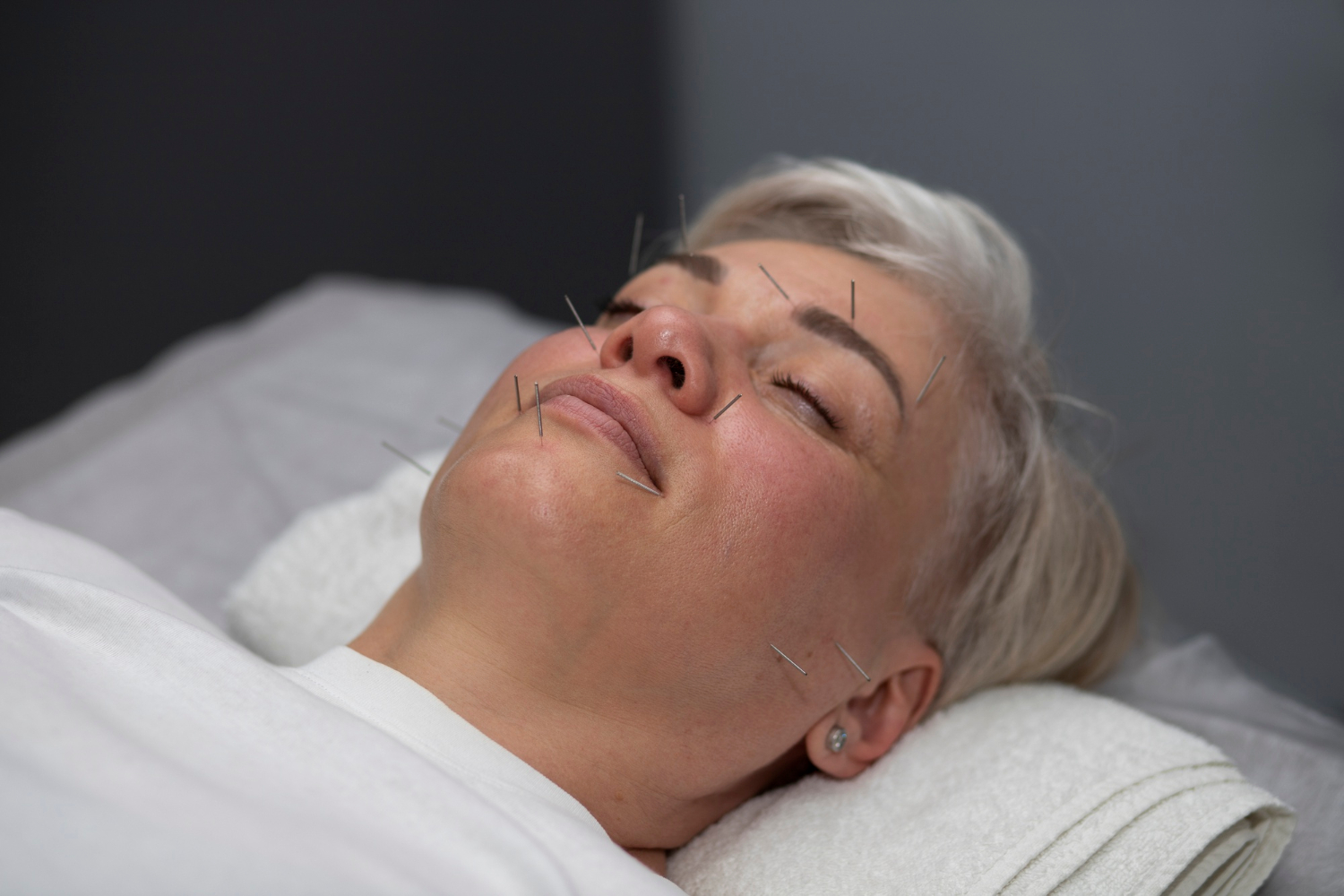
Jaw pain can make everyday activities like eating, speaking, and even smiling uncomfortable. If you’re experiencing persistent jaw stiffness, clicking, headaches, or facial pain, you may be dealing with a temporomandibular joint (TMJ) disorder. While treatment options vary depending on the cause and severity of your symptoms, many people explore acupuncture for TMJ as a natural, non-invasive way to help manage discomfort.
What Is TMJ?
The temporomandibular joints connect your jaw to your skull and allow smooth movement when you chew, talk, or yawn. When these joints or the surrounding muscles become irritated or strained, you may experience symptoms such as:
- Jaw pain or tenderness
- Clicking or popping sounds when opening or closing your mouth
- Difficulty chewing
- Facial muscle tightness
- Frequent headaches or neck pain
- Limited jaw movement or locking
TMJ discomfort can result from teeth grinding, jaw clenching, stress, arthritis, injury, or muscle imbalance. Because several factors may contribute to the condition, a personalized treatment plan is often the most effective approach.
How Acupuncture for TMJ Works
Acupuncture for TMJ involves placing very thin, sterile needles at specific points on the body. The goal is to encourage the body’s natural healing response while helping reduce muscle tension and discomfort.
Many people seek acupuncture to help:
- Relax tight jaw and facial muscles
- Reduce pain and inflammation
- Improve jaw mobility
- Ease tension that may contribute to headaches or neck discomfort
- Promote overall relaxation, particularly when stress plays a role in jaw clenching
Every treatment plan is tailored to the individual’s symptoms and overall health needs.
Learn more about our Acupuncture Services to see how this therapy may fit into your wellness plan.
A Comprehensive Approach to TMJ Care
Since TMJ disorders can have multiple contributing factors, combining therapies may provide additional support. Depending on your condition, your provider may recommend complementary services that address muscle tension, posture, and movement patterns.
For example, Massage Therapy may help relieve tight muscles surrounding the jaw, neck, and shoulders, while Chiropractic Care can address musculoskeletal imbalances that may affect jaw function. Some individuals may also benefit from Physical Therapy to improve mobility and strengthen supporting muscles.
An individualized treatment plan allows your care team to address the root causes of discomfort rather than focusing only on symptoms.
When to Seek Professional Care
Occasional jaw soreness may resolve on its own, but persistent symptoms shouldn’t be ignored. If jaw pain is interfering with eating, sleeping, speaking, or your daily routine, it’s a good idea to schedule a professional evaluation. Early treatment may help prevent symptoms from worsening and improve your overall quality of life.
Discover a Personalized Treatment Plan
At Health Within Wellness Center, we take a whole-person approach to care by offering therapies designed to support your body’s natural healing process. If you’re interested in learning whether acupuncture for TMJ may be appropriate for your needs, our experienced team is here to help.
Contact us today to schedule a consultation and explore personalized treatment options to help you move more comfortably and get back to enjoying everyday life.